 一孔录
子禽问于子贡曰:夫子至于是邦也,必闻其政,求之与?抑与之与?子贡曰:夫子温良恭俭让以得之。夫子之求之也,其诸异乎人之求之与?Ziqin asked Zigong: Whenever the Master arrives in a state he always hears about its government. Does he seek this, or is it given to him? Zigong said: The Master gets it by being warm, kind, respectful, frugal and deferential. The way the Master seeks it — is it not different from the way other men seek?
注Key words in the commentary
Each of the five virtues is glossed word by word (“良,易直也” — liang is easy-going and straight); “夫子未尝求之,但其德容如是,故时君敬信,自以其政就而问之耳” — the Master never sought it; his bearing being what it was, the rulers of the day respected and trusted him and came to ask him about their own government.
家What other commentators say
Zhang Shi: everyone wanted to listen, no one was willing to use him — “私欲害之,是以终不能用耳”, private desire got in the way, so in the end they could not.
读How Yikonglu reads it
Coming to ask is not the same as handing you the job.
核Check every citation
Every commentary line quoted in the video: the original wording, who said it, and the page in the base edition. “Paraphrase” marks our summary, not the commentator's words.
| Quoted text | Source | Page |
|---|---|---|
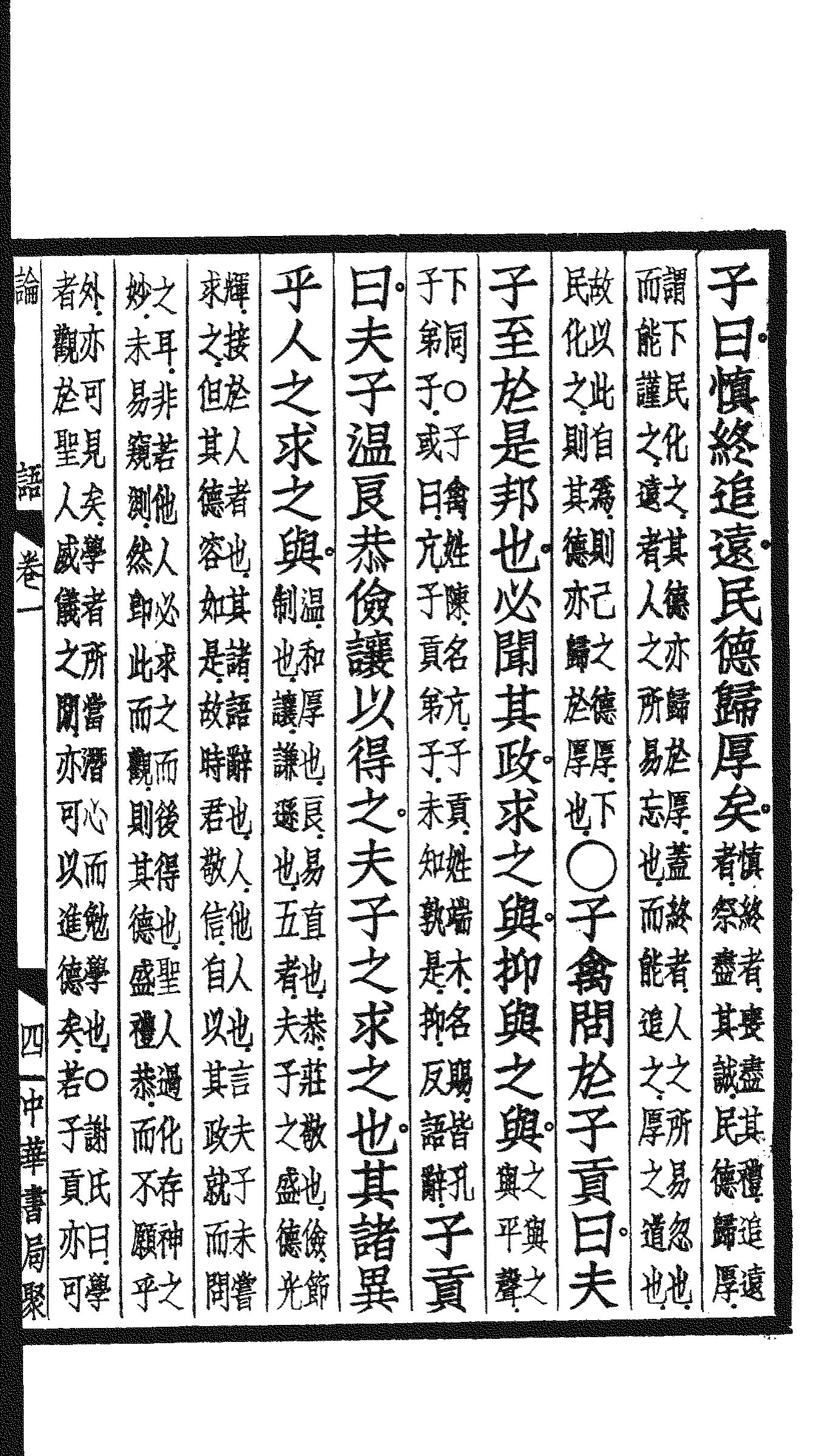
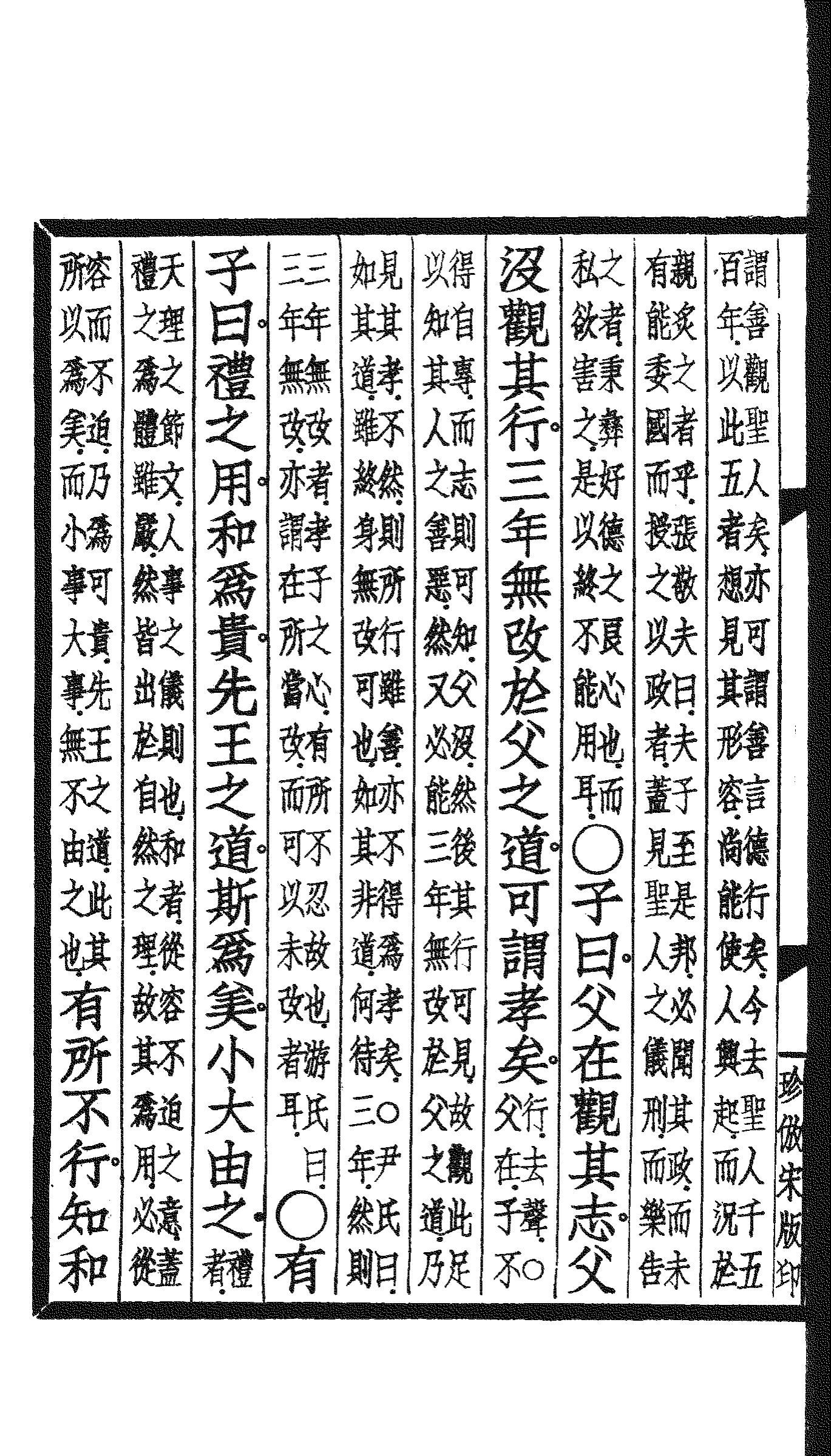
| “子禽,姓陈,名亢。子贡,姓端木,名赐。皆孔子弟子。或曰:亢,子贡弟子。未知孰是。抑,反语辞” | Zhu Xi's commentary | page 19 |
| “温,和厚也。良,易直也。恭,庄敬也。俭,节制也。让,谦逊也。五者,夫子之盛德光辉接于人者也” | Zhu Xi's commentary | page 19 |
| “言夫子未尝求之,但其德容如是,故时君敬信,自以其政就而问之耳” | Zhu Xi's commentary | page 19 |
| paraphrase夫子至是邦必闻其政,而未有能委国而授之以政者……私欲害之,是以终不能用耳 | Zhang Shi, quoted by Zhu Xi | page 20 |
音Pronunciation
| Character | In the line | Read as |
|---|---|---|
| 与 | 求之与、抑与之与、异乎人之求之与 | 句末 yú;“抑与之”的与 yǔ |
| 夫 | 夫子 | fū |
页Pages of the base edition
Yikonglu, Analects Xue er (Book 1) 1.10 “Whenever the Master arrives in a state”, https://yikonglu.com/en/lunyu/xue-er/10.html, version 2026-11-03.Last checked: 2026-11-03. Changes are logged on theerrata page.
Found an error in this chapter? Email us; once checked, it goes on the errata page under your username: 
看Watch this chapter
This chapter is read in Yikonglu episode “学而三”:YouTubeBilibili(in mainland China use Bilibili)