 一孔录
子贡曰:贫而无谄,富而无骄,何如?子曰:可也。未若贫而乐,富而好礼者也。子贡曰:诗云:如切如磋,如琢如磨,其斯之谓与?子曰:赐也,始可与言诗已矣!告诸往而知来者。Zigong said: Poor without flattery, rich without arrogance — how is that? The Master said: That will do. But it is not as good as poor and joyful, rich and fond of ritual. Zigong said: The Ode says, “as if cut, as if filed; as if carved, as if polished” — is that what you mean? The Master said: Ci, now I can begin to discuss the Odes with you. Told what has gone before, you know what comes after.
常The common reading
(The episode's question) Is “that will do” praise or dissatisfaction?
注Key words in the commentary
“凡曰可者,仅可而有所未尽之辞也” — “will do” always means barely adequate, with something still lacking; “未能超乎贫富之外” — not yet beyond poverty and wealth; “子贡货殖,盖先贫后富” — Zigong went into trade, poor first and rich later; “许其所已能,而勉其所未至” — the Master grants what he has achieved and urges him on to what he has not.
读How Yikonglu reads it
Acknowledge what has been done, then push one step further. Today: from renting to owning without bowing or showing off — Confucius would say “that will do”.
核Check every citation
Every commentary line quoted in the video: the original wording, who said it, and the page in the base edition. “Paraphrase” marks our summary, not the commentator's words.
| Quoted text | Source | Page |
|---|---|---|
| “谄,卑屈也。骄,矜肆也” | Zhu Xi's commentary | page 22 |
| “凡曰可者,仅可而有所未尽之辞也;无谄无骄,则知自守矣,而未能超乎贫富之外也;乐则心广体胖而忘其贫,好礼则安处善,乐循理,亦不自知其富矣” | Zhu Xi's commentary | page 22 |
| “子贡货殖,盖先贫后富,而尝用力于自守者,故以此为问。而夫子答之如此,盖许其所已能,而勉其所未至也” | Zhu Xi's commentary | page 22 |
| “诗卫风淇澳之篇;言治骨角者,既切之而复磋之;治玉石者,既琢之而复磨之;治之已精,而益求其精也” | Zhu Xi's commentary | page 23 |
| “往者,其所已言者。来者,其所未言者” | Zhu Xi's commentary | page 23 |
| paraphrase不切则磋无所施,不琢则磨无所措。故学者虽不可安于小成,而不求造道之极致;亦不可骛于虚远,而不察切己之实病也 | Zhu Xi's own note | page 23 |
音Pronunciation
| Character | In the line | Read as |
|---|---|---|
| 好 | 好学、好礼 | hào |
| 谄 | 无谄 | chǎn |
| 乐 | 贫而乐 | lè |
| 磋 | 如切如磋 | cuō |
| 琢 | 如琢如磨 | zhuó |
| 与 | 其斯之谓与 | yú |
页Pages of the base edition
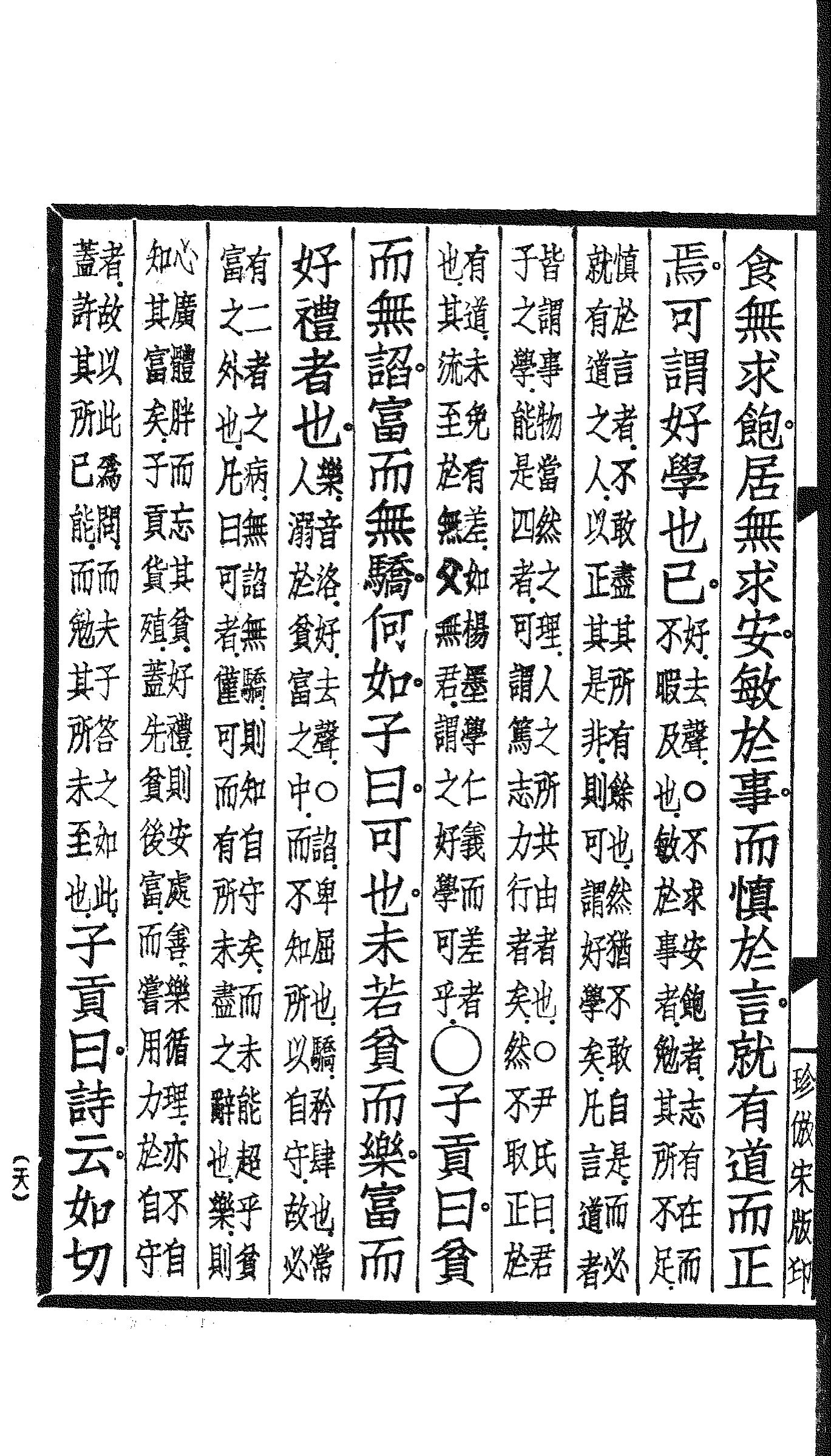
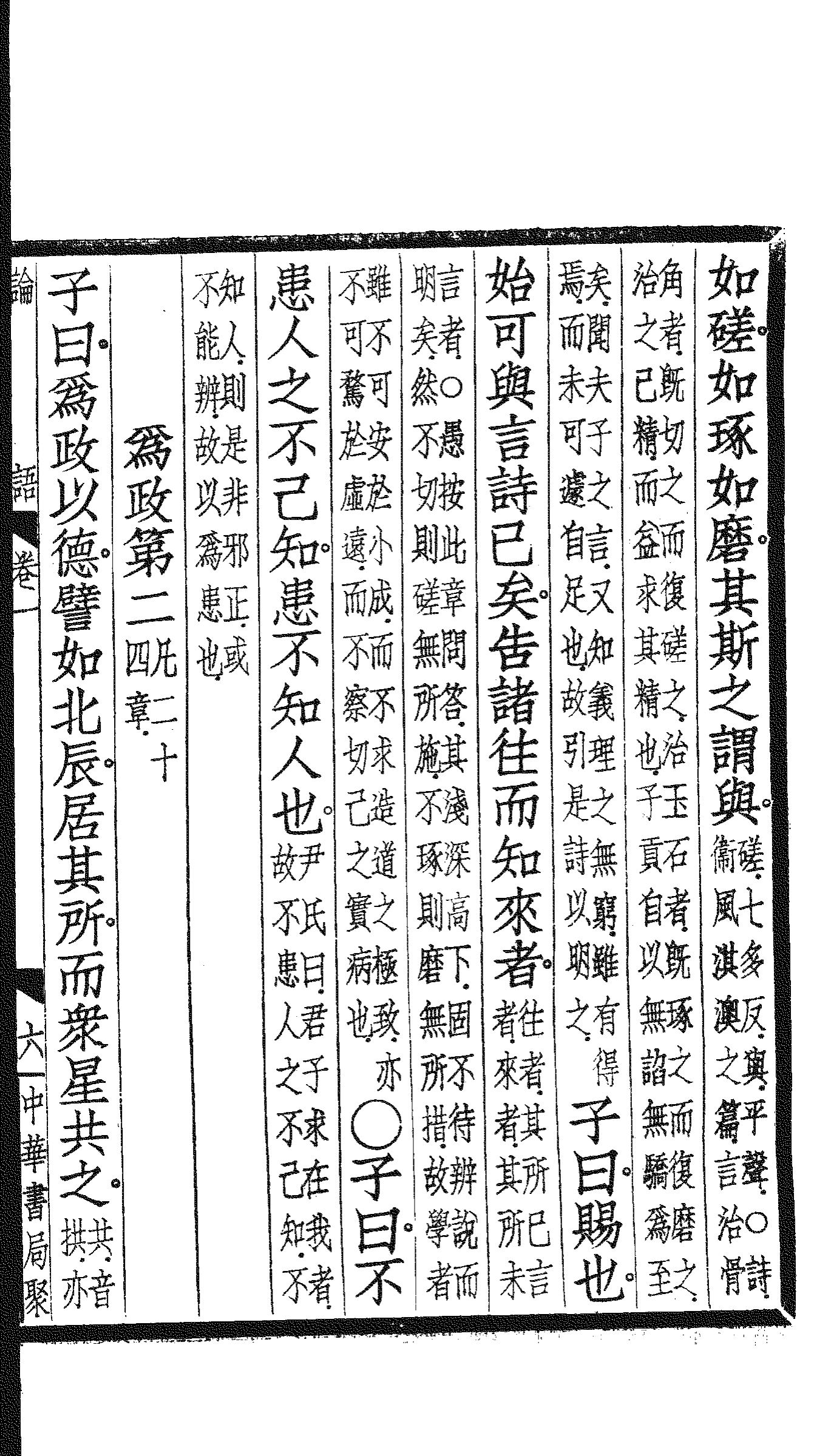
Yikonglu, Analects Xue er (Book 1) 1.15 “Poor without flattery”, https://yikonglu.com/en/lunyu/xue-er/15.html, version 2026-11-03.Last checked: 2026-11-03. Changes are logged on theerrata page.
Found an error in this chapter? Email us; once checked, it goes on the errata page under your username: 
看Watch this chapter
This chapter is read in Yikonglu episode “学而五”:YouTubeBilibili(in mainland China use Bilibili)