 一孔录
樊迟问知。子曰:务民之义,敬鬼神而远之,可谓知矣。问仁。曰:仁者先难而后获,可谓仁矣。Fan Chi asked about wisdom. The Master said: To devote oneself to what is right for the people, and to revere the spirits while keeping them at a distance, may be called wisdom. He asked about humaneness. The Master said: The humane put the difficulty first and the reward after; this may be called humaneness.
Tap any sentence of the original to copy it with its source.
白Plain Chinese
樊迟问怎样算明智。孔子说:专心做人该做的正事,对鬼神敬重而保持距离,就可以叫明智了。又问怎样算仁。孔子说:仁者先下难做的功夫,后想得到的收获,就可以叫仁了。
A plain modern-Chinese rendering following Yikonglu's reading.
常The common reading
Did Confucius believe in ghosts and spirits?
注Key words in the commentary
“民,亦人也。获,谓得也” — “min” also means people; “huo” means gain; “专用力于人道之所宜,而不惑于鬼神之不可知,知者之事也。先其事之所难,而后其效之所得,仁者之心也” — to put one's effort wholly into what is fitting in the human way and not be confused by the unknowable spirits is the business of the wise; to put first what is hard in a task and only after think of what it yields is the heart of the humane; “此必因樊迟之失而告之” — this must have been said in view of Fan Chi's failings.
家What other commentators say
Master Cheng: “人多信鬼神,惑也。而不信者又不能敬,能敬能远,可谓知矣” — many people believe in spirits, which is confusion; those who do not believe cannot revere them. To be able both to revere and to keep at a distance may be called wisdom; “先难,克己也。以所难为先,而不计所获,仁也” — putting the difficult first is mastering oneself; to take the hard as first without counting the gain is humaneness. Lü: “当务为急,不求所难知;力行所知,不惮所难为” — put urgency on present duties and do not seek what is hard to know; practise vigorously what you know and do not shrink from what is hard to do.
读How Yikonglu reads it
The question is not belief or disbelief, but revering and keeping at a distance: first do fully what human affairs require, revere the spirits without petitioning them; in action, the hard part first and the gain after, without reckoning the benefit in advance.
家Other commentaries
Our base text is Zhu Xi's Collected Commentaries (above). Here are other commentaries side by side: for old commentaries, the first line of the sub-commentary with a link to the woodblock scan; for modern editions, one short quoted translation for comparison. The “compared with Zhu Xi” notes are written by Yikonglu, not quoted.
皇侃《论语义疏》Liang dynasty · 1750 Japanese woodblock edition · juan 三
“云樊遲問智者,問孔子為智之道也。”……
Compared with Zhu Xi
| Commentary | Point | Relation | Confidence | Note |
|---|---|---|---|---|
| 钱穆《论语新解》 | same | fairly sure | 同以务人道所宜、不惑鬼神为知。钱由民意解释敬远连贯、民为神主;朱以鬼神不可知而不惑为重,先难后获均不计功效。 |
核Check every citation
Every commentary line quoted in the video: the original wording, who said it, and the page in the base edition. “Paraphrase” marks our summary, not the commentator's words. About this edition
| Quoted text | Source | Page |
|---|---|---|
| “民,亦人也……此必因樊迟之失而告之” | Zhu Xi's commentary | page 86 |
| “程子曰:人多信鬼神……不惮所难为” | 朱注引程子(两句)、吕氏 | page 86 |
音Pronunciation
| Character | In the line | Read as |
|---|---|---|
| 樊 | 樊迟 | fán |
| 知 | 问知、可谓知矣、知者之事 | zhì |
| 远 | 敬鬼神而远之、能远 | yuàn |
| 获 | 后获、所获 | huò |
页Pages of the base edition
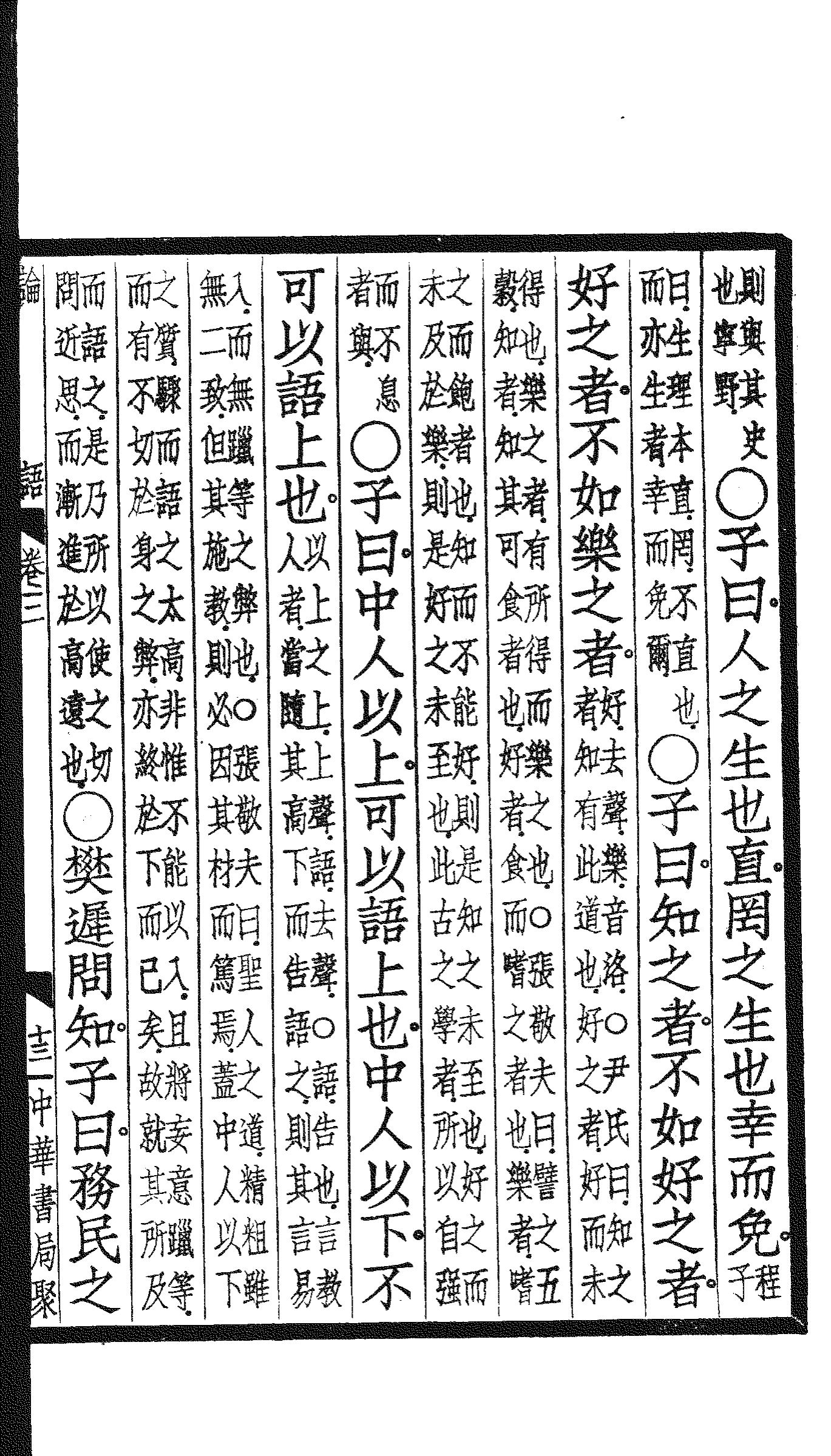
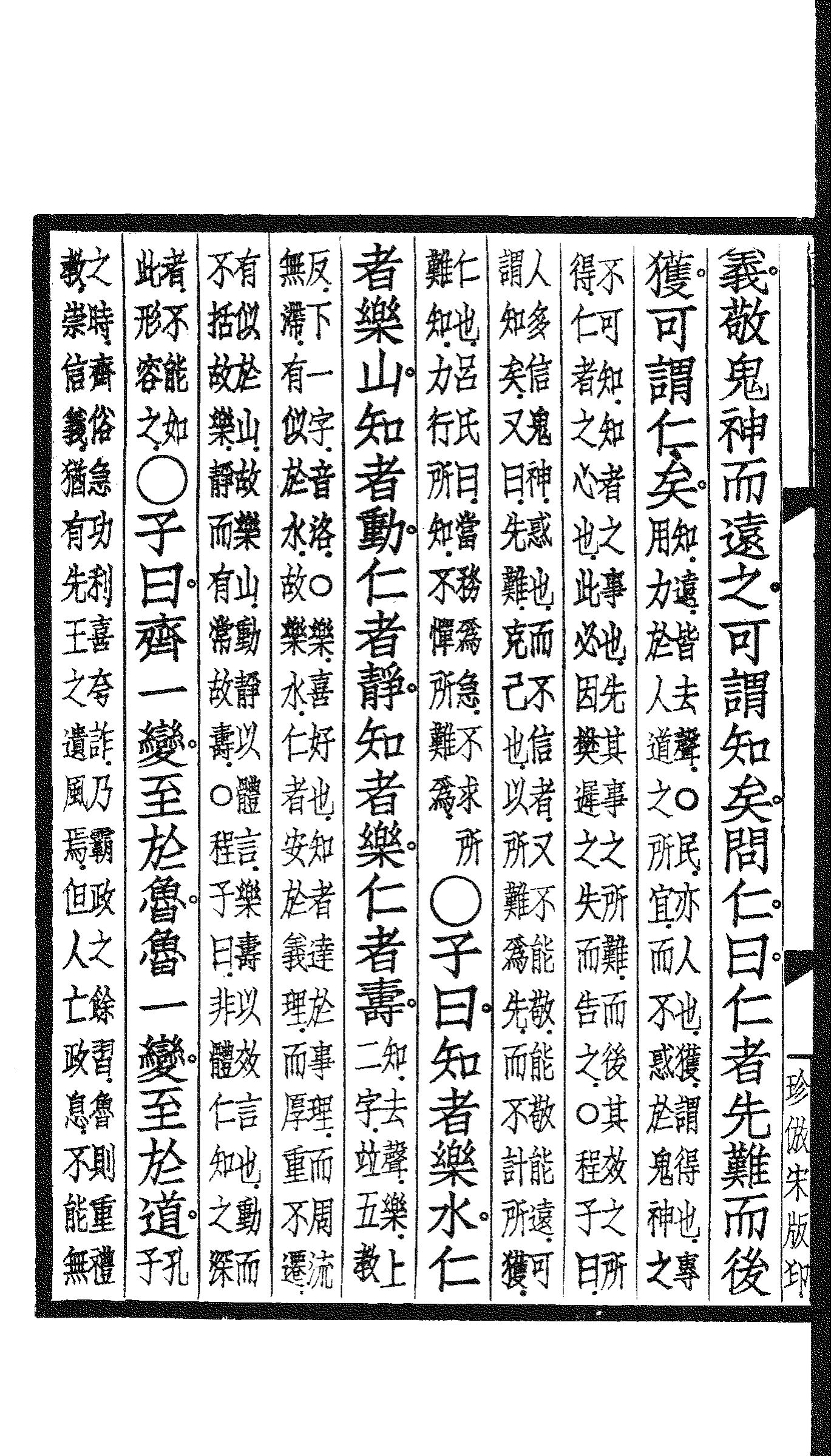
Yikonglu, Analects 雍也第六 6.20 “Did Confucius believe in spirits?”, https://yikonglu.com/en/lunyu/yong-ye/20.html, version 2026-11-06.Last checked: 2026-11-06. Changes are logged on theerrata page.
Found an error in this chapter? Email us; once checked, it goes on the errata page under your username: